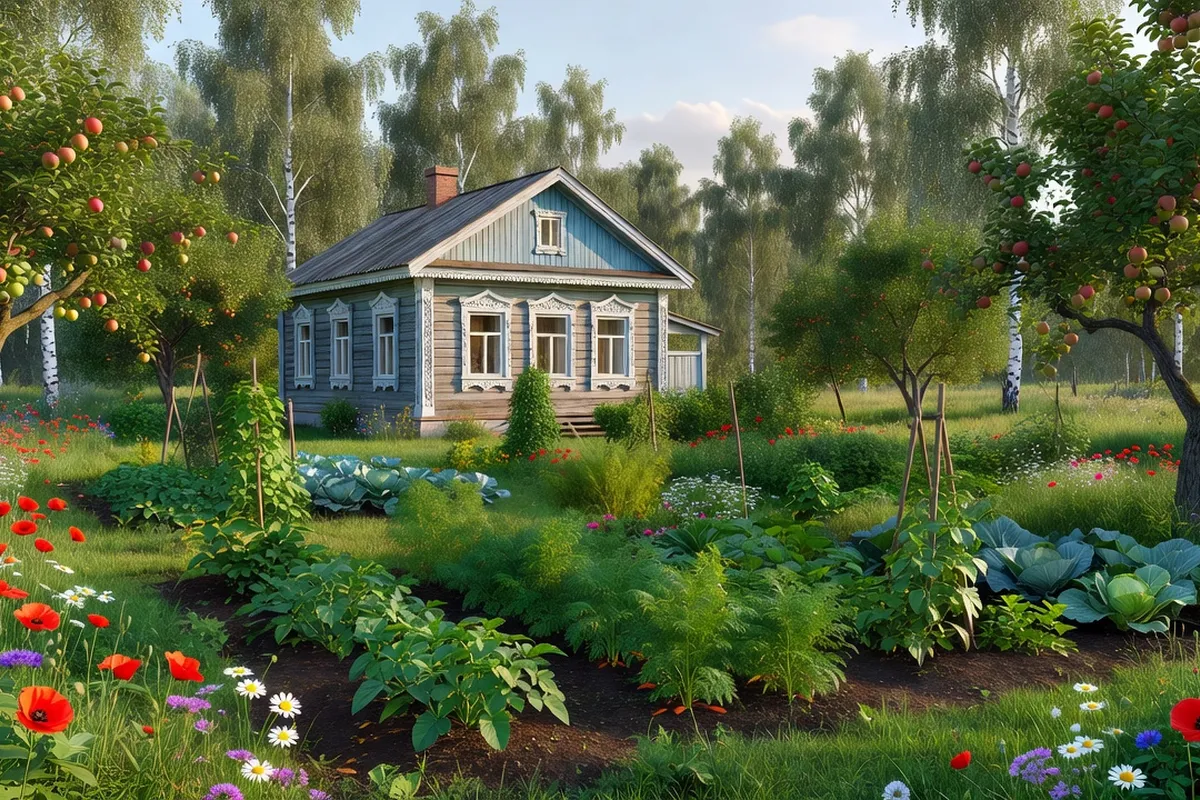
The Dacha: Far More Than a Second Home
The dacha, in the Russian context, is far more than a simple country house. It represents an escape, a place of rest and renewal away from urban hustle. Historically, the dacha has evolved to become a symbol of Russian culture and identity. Although it is often perceived as a second home, the dacha is in fact a space deeply woven into the daily lives of Russians. According to a 2020 study, about 60% of urban Russians own or have access to a dacha, which speaks to its importance. These wooden houses, often modest, are typically located in rural or semi-rural areas and are surrounded by extensive kitchen gardens. The dacha is not just a vacation spot — it reflects a cultural tradition in which nature and simplicity play a central role. To fully understand its importance, it is essential to explore its origins and its transformations over the centuries.
The table below summarizes the main functions the dacha fulfills in Russian life:
| Function | Description |
|---|---|
| Second home | Wooden house, often modest, located in a rural or semi-rural area |
| Food self-sufficiency | Kitchen garden cultivated to supplement the family’s food supply |
| Social space | Gathering place for family, friends, and neighbors |
| Cultural transmission | A setting where skills, traditions, and family stories pass from one generation to the next |
| Identity refuge | Symbol of respite from urban hustle and continuity of Russian identity |
Beyond their recreational function, dachas are also places where owners’ creativity comes to life. Each dacha is unique, often personalized with interior decoration elements that reflect the tastes and values of its occupants. The social role of the dacha is also significant. It is a space where families and friends gather for leisure activities, parties, and traditional celebrations. This sense of community is reinforced by shared activities such as gardening and foraging. In addition, the dacha offers a valuable opportunity to reconnect with nature and pass on skills and traditions to younger generations — an essential component of the Russian diaspora in Europe, where many émigrés seek to preserve these traditions. In a world where authentic human connections are becoming scarcer, the dacha remains a haven of peace and community.
Tsarist Origins and Soviet-Era Democratization
The history of the dacha goes back to Tsarist times, when it was a mark of privilege granted by the Tsar to his loyal servants. The term dacha, derived from the Russian verb “davat’” meaning “to give,” refers to the land granted by the emperor. These properties were initially reserved for the Russian aristocracy, serving as places of entertainment during the summer months. With the October Revolution and the rise of the Soviet Union, the dacha underwent a process of democratization. In the 1930s, the Soviet government began distributing plots of land to urban workers, allowing them to own their own dacha. This initiative aimed to encourage food self-sufficiency and to offer an escape from the constraints of urban life. The dacha thus became a space accessible to a much larger number of people, while retaining its role as a symbol of respite and personal freedom.
In the years that followed, particularly during the Cold War, these spaces became symbols of cultural resistance and individual autonomy. Dachas allowed Soviet citizens to grow vegetables and fruit, reducing their dependence on often inefficient state supply chains. This food independence played a crucial role during periods of shortage. Over the decades, the dacha thus evolved from an imperial privilege into a pillar of Soviet life — a place where the Russian soul could express itself freely, away from political constraints. Today, this legacy endures, and dachas continue to symbolize an important part of contemporary Russian identity. Literary and cinematic adaptations have also played a crucial role in popularizing dacha culture.
The major stages of this evolution can be summarized as follows:
- Tsarist era — the dacha is a privilege granted by the Tsar to his loyal servants, reserved for the aristocracy.
- October Revolution — the rise of the Soviet Union begins to challenge this imperial privilege.
- 1930s — the Soviet government distributes plots to urban workers, democratizing access to the dacha.
- Cold War — dachas become symbols of cultural resistance and food autonomy in the face of shortages.
- Contemporary era — the dacha remains a pillar of Russian identity, now enriched with modern technology.
The Dacha Kitchen Garden: Self-Sufficiency and Tradition
The kitchen garden is a central element of the dacha and reflects a deeply rooted tradition of self-sufficiency. During the Soviet era, kitchen gardens were essential for supplementing families’ food supply. In 1980, it was estimated that nearly 40% of the vegetables consumed in Russia came from dachas. This figure illustrates the importance of the kitchen garden in Russian daily life. Growing vegetables, fruit, and herbs is not only an economic necessity but also an activity that strengthens family bonds and passes traditional know-how from generation to generation. Even today, the dacha’s kitchen garden remains a symbol of Russian cultural heritage and a way for families to maintain a connection to the land. The summer harvest, followed by preserving for the winter, is a ritual that continues to shape the rhythm of dachniki life.
The table below presents the most common produce from the dacha’s kitchen garden and its main use:
| Produce | Main use |
|---|---|
| Vegetables (cucumbers, tomatoes, cabbage) | Summer consumption and preserves for winter |
| Fruit (berries, apples) | Compotes and jams |
| Aromatic herbs | Everyday cooking and infusions |
| Mushrooms foraged in the forest | Drying, pickling, winter dishes |
| Seeds exchanged with neighbors | Renewing crops and local cooperation |
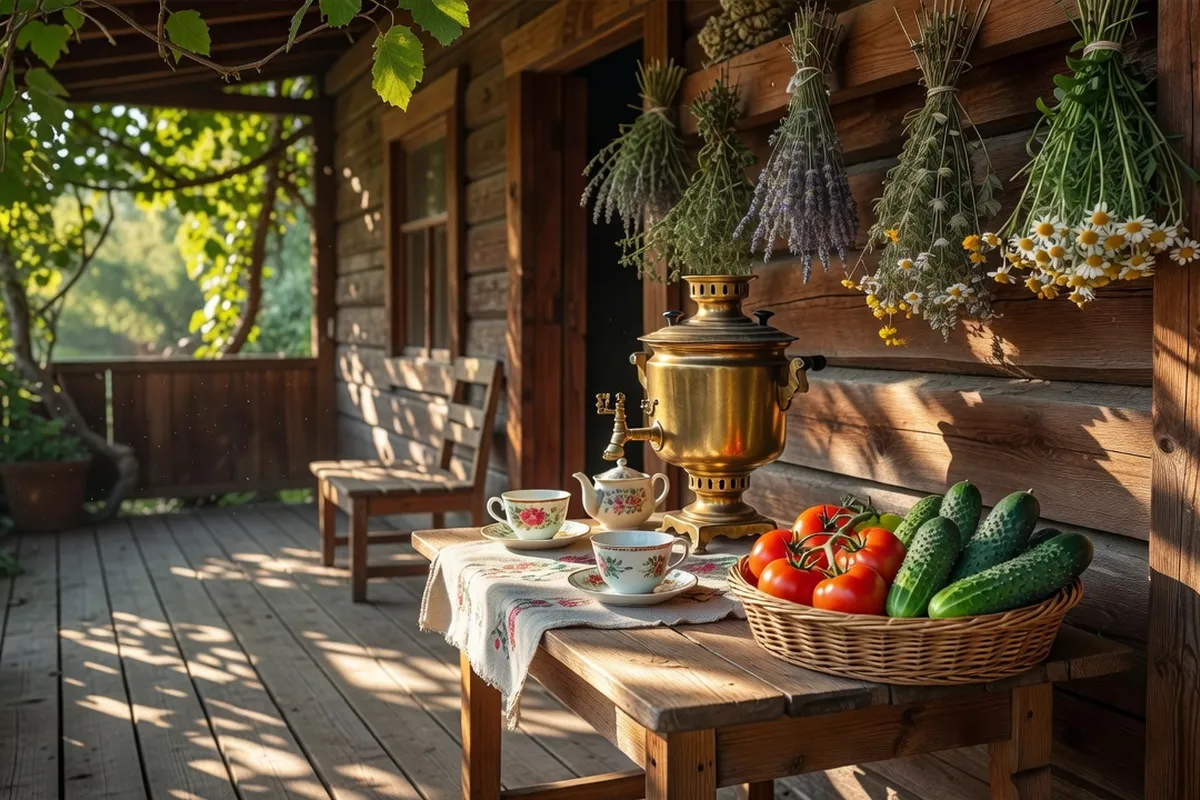
Growing vegetables at the dacha is not limited to self-sufficiency alone. It is also an opportunity to explore sustainable farming practices. Many dachniki adopt organic growing techniques to preserve the integrity of the land and produce healthy food. Exchanging seeds and advice with neighbors is common, strengthening community and local cooperation. Dachas thus become microcosms of agricultural innovation and environmental preservation. Moreover, this farming practice contributes to greater resilience in the face of food crises, an aspect increasingly valued in the current context of climate change. For those interested in Russian folk art and culture, attending Russian folk art events can offer an enriching glimpse into traditions linked to the dacha. The growing popularity of permaculture methods also reflects a rising ecological awareness among today’s dacha owners.
Typical Architecture and Layout
The architecture of the dacha is often simple, but it meets specific practical and aesthetic needs. Traditionally built of wood, dachas feature a rustic architecture that blends harmoniously with the surrounding landscape. The houses are generally small, with one or two main rooms, but they can be enlarged over time. Modern dachas have evolved to include contemporary comforts while preserving their traditional features. The gardens surrounding the dacha are carefully arranged to maximize the space available for growing plants and vegetables. Outbuildings, such as the banya (Russian sauna) and greenhouses, are also common. The design of the dacha often reflects the personal taste and creativity of its owners, making it a unique and personalized space.
A notable aspect of dacha architecture is its ability to evolve over time. Owners often add extensions to accommodate new generations or to create additional storage space. Building materials are generally chosen for their durability and low environmental impact, with a preference for local wood and recycled materials. This reflects a growing ecological awareness among dacha owners. In addition, dacha architecture is sometimes influenced by international styles and trends, incorporating modern elements while respecting local traditions. This capacity for architectural adaptation reflects a cultural dynamic that preserves the essence of the dacha while meeting contemporary needs. For those interested in cultural aesthetics, these influences can be found in Russian cinema and theatre, where such spaces are often featured for their rustic charm. This architectural flexibility allows dachas to remain relevant in an ever-changing context.
The Dacha as a Space for Family Sociability
The dacha is above all a place of gathering and conviviality for Russian families. It offers an ideal setting to come together away from the pressures of city life. Weekends at the dacha are often marked by outdoor meals, barbecues, and evenings around the fire. According to a 2019 survey, nearly 70% of Russian families consider the dacha a privileged place for strengthening family bonds. There, children discover nature, learn to garden, and take part in outdoor activities. For many, the dacha is tied to childhood memories and shared family moments. It is a space for passing on traditions and family stories, where each generation contributes to enriching this shared heritage.
Social interactions at the dacha are not limited to family. They often include close friends and neighbors, creating an extended social network. Dachas are places where celebrations such as weddings, birthdays, and religious holidays are organized. These events strengthen community ties and provide opportunities to share stories and experiences. The dacha’s role as a place of sociability is also reinforced by its capacity to offer a space for deep conversation, away from the digital distractions of modern life. This reflects a shared desire for authentic connection, sometimes expressed through works of art and spiritual practices such as Orthodox iconography. This unique social setting helps solidify community relationships and cultivate a shared sense of belonging and continuity. The dacha’s natural setting also encourages outdoor activities that strengthen bonds, such as fishing or hiking.
Summer Rituals: Banya, Foraging, and Winter Preserves
Summer rituals at the dacha are an integral part of the experience. The banya, or Russian sauna, is a weekly ritual for many families, promoting relaxation and purification. Foraging for berries and mushrooms in the surrounding forests is another favorite activity. The summer months are also devoted to preparing preserves for the winter. Families spend whole days preparing jars of pickled cucumbers, fruit compotes, and jams. These activities are not merely practical — they are also an occasion to come together and carry on long-standing family traditions. The dacha then becomes the setting for unique moments where nature, manual labor, and conviviality come together.
Summer rituals at the dacha generally follow this seasonal pattern:
- The weekly banya: a ritual of relaxation and purification, often followed by deep conversation among loved ones.
- Foraging for berries and mushrooms: a forest activity, popular from early summer onward.
- Daily gardening: tending the kitchen garden and gradually harvesting vegetables.
- Preparing preserves: pickled cucumbers, compotes, and jams put up in jars for the winter.
- Outdoor meals: barbecues and evenings around the fire that mark the rhythm of summer weekends.
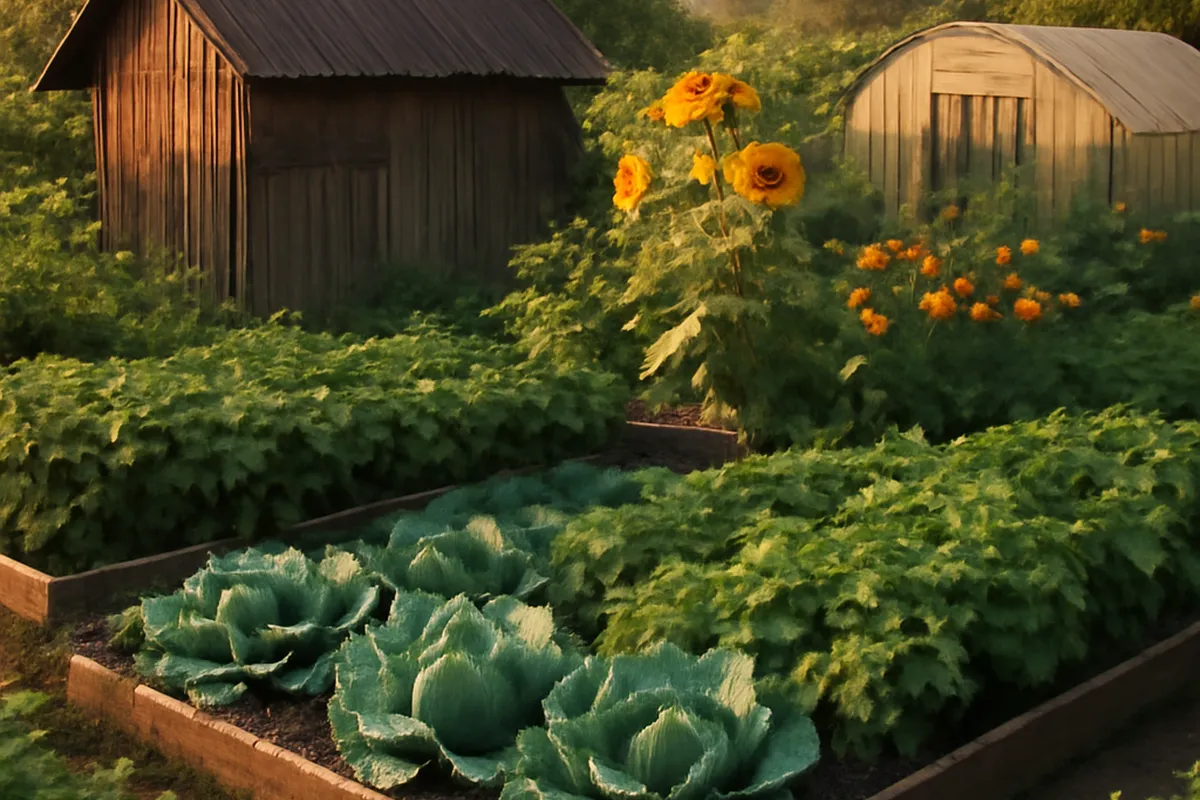
The banya, in particular, is more than a simple relaxation activity. It is a social ritual that strengthens bonds between participants. The conversations that take place there are often deep and philosophical, touching on subjects ranging from politics to spirituality. Preparing preserves, meanwhile, is a tradition passed down from generation to generation, ensuring that the flavors of summer can be enjoyed throughout the winter. These activities are also a way of celebrating nature’s generosity and expressing collective gratitude for abundant harvests. Practices linked to the banya and to preserving food are an integral part of Russian cultural memory, and they are often depicted in Russian cinema and literature. These seasonal rituals embody a deep connection with nature and reinforce cultural identity. By taking part in these activities, Russian families strengthen their cohesion and their connection to their heritage.
The Dacha Today: Between Nostalgia and Modernity
Today, the dacha continues to be a cherished place, but it has evolved to adapt to new realities. Modernization has introduced contemporary amenities and greater comfort while preserving its traditional essence. Younger generations, while attached to their roots, bring a touch of modernity by incorporating technologies such as solar power and smart management systems. Yet for many, the dacha remains a space of nostalgia, a return to one’s roots and to simplicity. Discussions about the dacha often touch on broader themes of Russian identity and the Russian soul (dusha), exploring how these places shape culture and values. The dacha is thus an anchor point for the quest for authenticity in an ever-accelerating modern world.
New technologies have transformed the way dachas are used. For example, many owners now install solar panels to reduce their energy dependence and minimize their carbon footprint. In addition, internet access has allowed some to work remotely there, turning the dacha into a hybrid space between professional and personal life. However, despite these developments, the fundamental character of the dacha as a space for relaxation and connection with nature remains unchanged. Contemporary discussions about the dacha highlight questions of cultural identity and the preservation of traditions, underlining its role in maintaining the fabric of Russian society. These developments testify to the resilience and adaptability of Russian traditions in the face of the challenges of the modern world. The dacha thus continues to be a place of comfort and resistance amid the rapid changes of society.
The Dacha in Russian Literature and Cinema
The dacha has long been a source of inspiration in Russian literature and cinema. It is often depicted as a place of refuge and contemplation. Famous authors such as Anton Chekhov immortalized the dacha in their writing, capturing its unique atmosphere. In film, the dacha is used to illustrate themes of nostalgia, tradition, and social transformation. Soviet films, for example, often portray the dacha as a symbol of simple, authentic life, in contrast to urban life. This portrayal continues to influence how Russians perceive and value their leisure spaces. By exploring the works of Russian Cinema & Theatre, one can appreciate the symbolic depth the dacha holds in the collective imagination.
In contemporary literature, the dacha is often a place for reflecting on past and present, a space where characters explore their relationships with loved ones and their environment. Stories set around the dacha capture the duality between modernity and tradition, reflecting the tensions and harmonies of Russian society today. It is often a symbol of the quest for authenticity and simplicity in an increasingly complex world. Cinema also uses the dacha to evoke universal themes such as love, loss, and reconciliation, offering a unique perspective on Russian life. To learn more about the cultural richness and events tied to Russian folk art, see Russian folk art and culture events. These artistic portrayals reinforce the dacha’s importance in the Russian collective consciousness, underlining its role as a cultural and emotional refuge.
The dacha remains a pillar of Russian culture, a place where past and present meet, offering a space of respite, creativity, and cultural continuity. To deepen your understanding of Russian cultural influences, also explore Russian Diaspora in Europe and the Russian Orthodox icon.
Frequently Asked Questions
The dacha is a Russian second home, often modest, surrounded by a kitchen garden, used for weekends and summer holidays outside major cities.
The term and practice date back to Tsarist times (18th century), when dachas were granted by the Tsar to nobility; their use became widespread under the USSR.
During the Soviet period, the dacha's kitchen garden ensured a significant share of urban families' food self-sufficiency, a habit that persists today.
Yes, a large majority of urban Russian families own or visit a dacha, which remains a pillar of summer sociability and connection to the land.
The dacha combines a second home, a food garden, and a place for family sociability; it is not just real estate but a cultural way of life.